AI Bias Explained: Why Algorithms Can Be Unfair and How to Fix Them
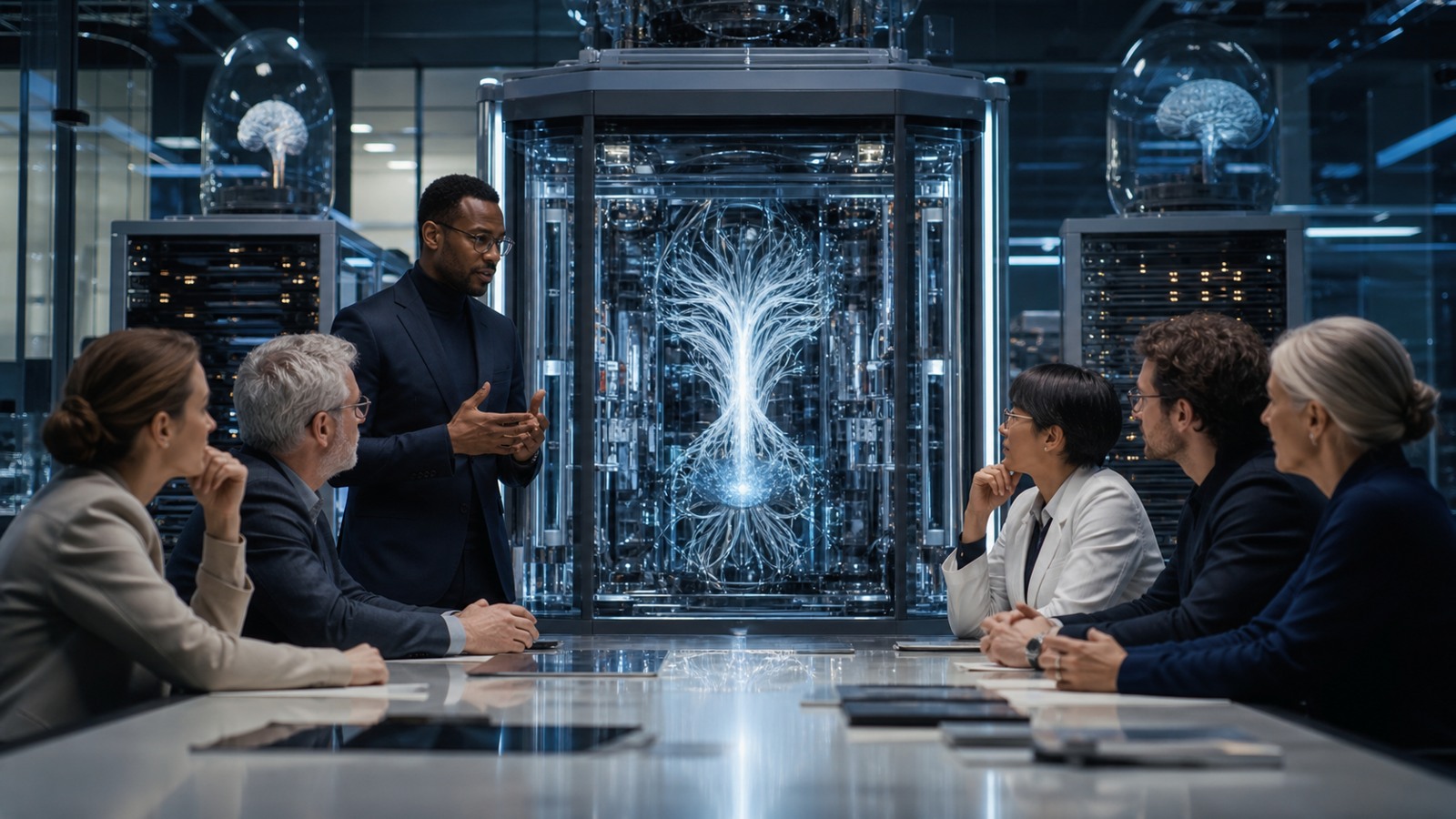
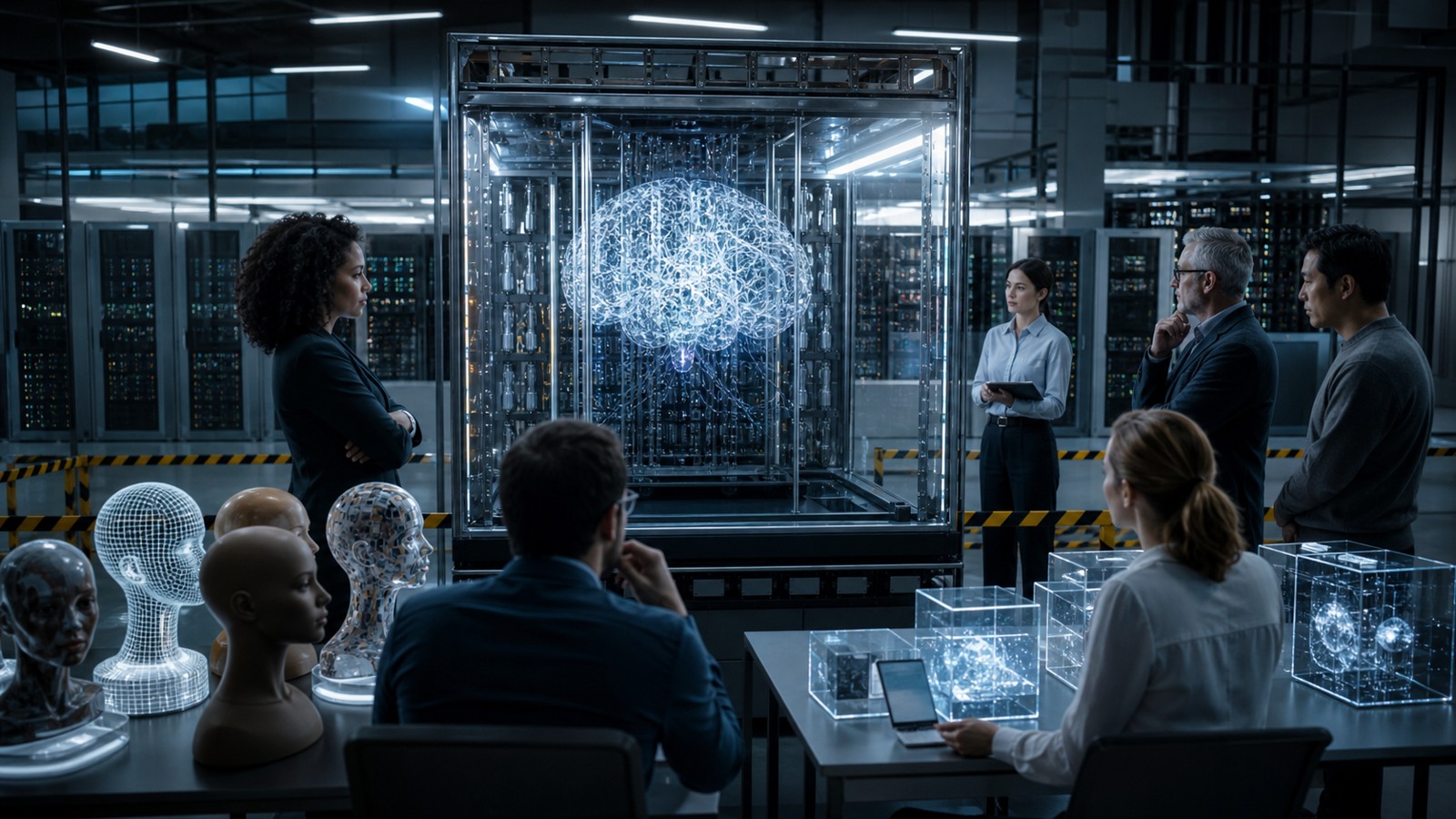
AI bias is not just a technical flaw. It can come from data, labels, goals, deployment choices, and the human systems surrounding a model.

Where Connectivity Begins
AI bias is not just a technical flaw. It can come from data, labels, goals, deployment choices, and the human systems surrounding a model.
Neural networks evolved through cycles of bold ideas, disappointment, better math, more data, faster chips, and architectures that changed AI history.
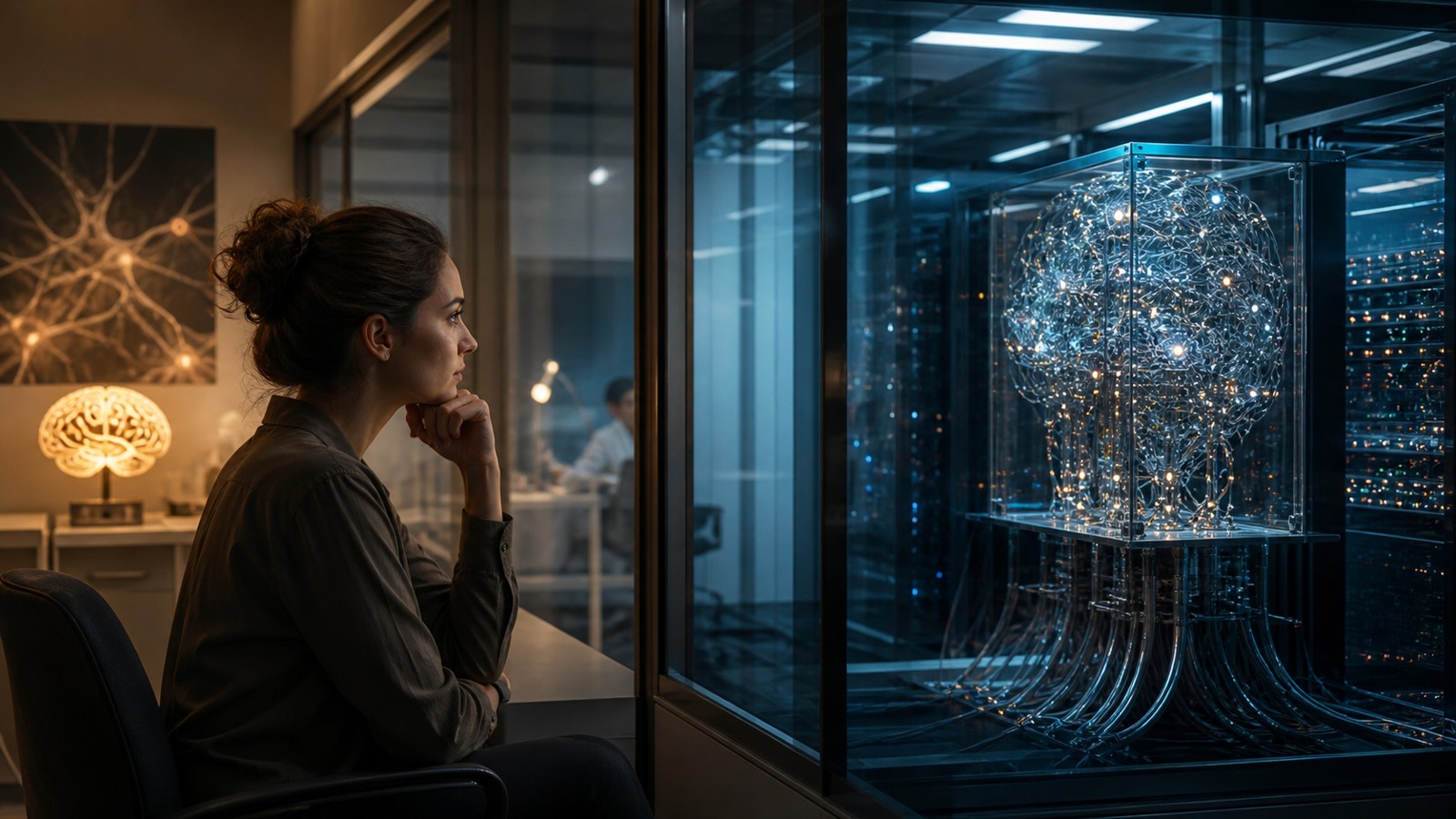
AI sentience remains unproven, but scientists are studying what evidence, architectures, and safeguards would matter if future systems seem aware.
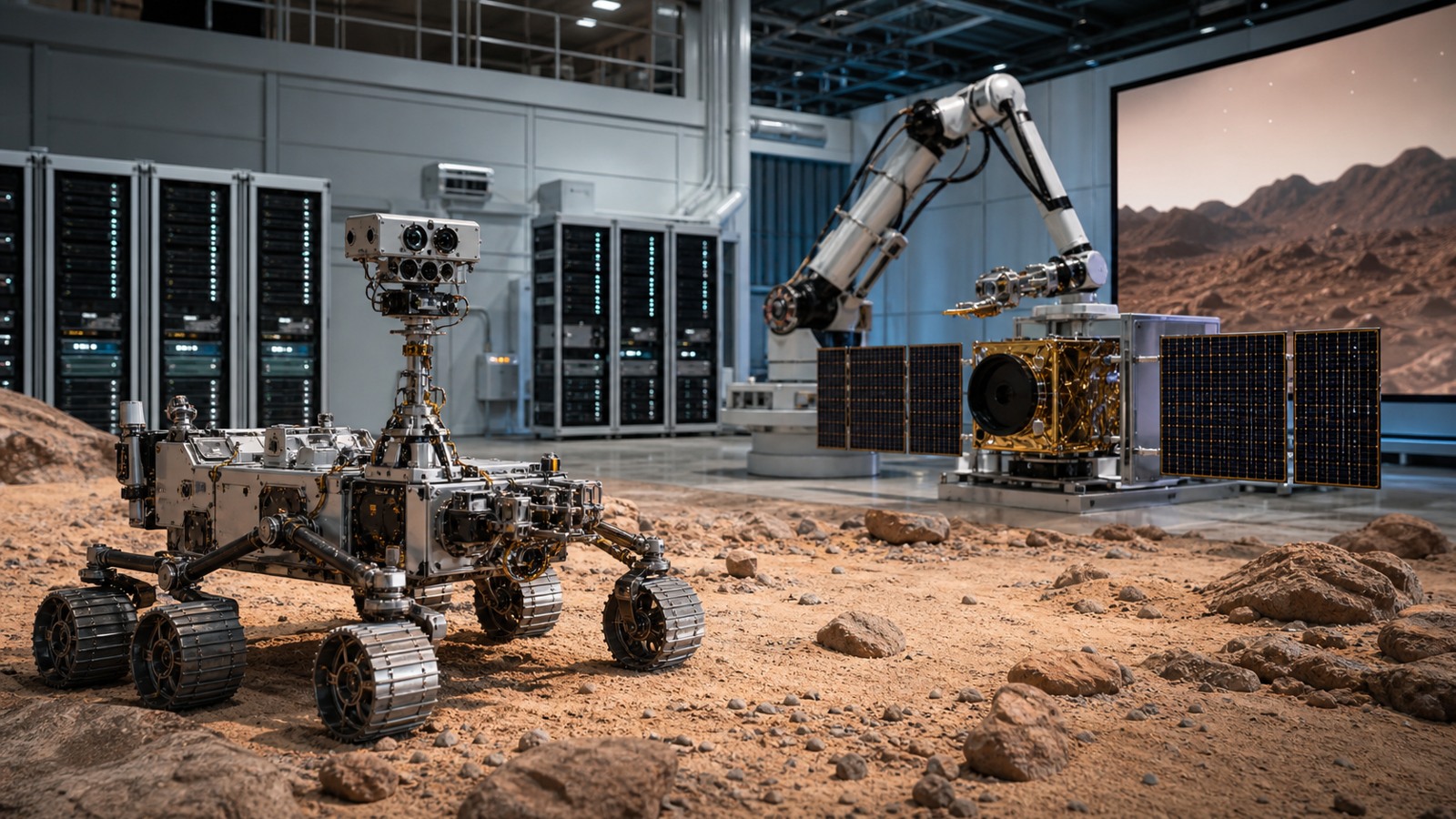
AI-powered space missions will use autonomy, onboard science, robotics, navigation, fault detection, and mission planning to explore farther from Earth.
AI consciousness and human consciousness differ in embodiment, subjective experience, emotion, memory, biological grounding, and moral status.
AI ethics now centers on accountability, bias, privacy, labor impact, misinformation, safety, transparency, and who benefits from powerful systems.
Explore how AI assists creative exploration, selection, and revision across design, media, education, and business workflows.
Deep learning evolved from early neural network ideas into the foundation of modern AI through data, compute, algorithms, and practical breakthroughs.
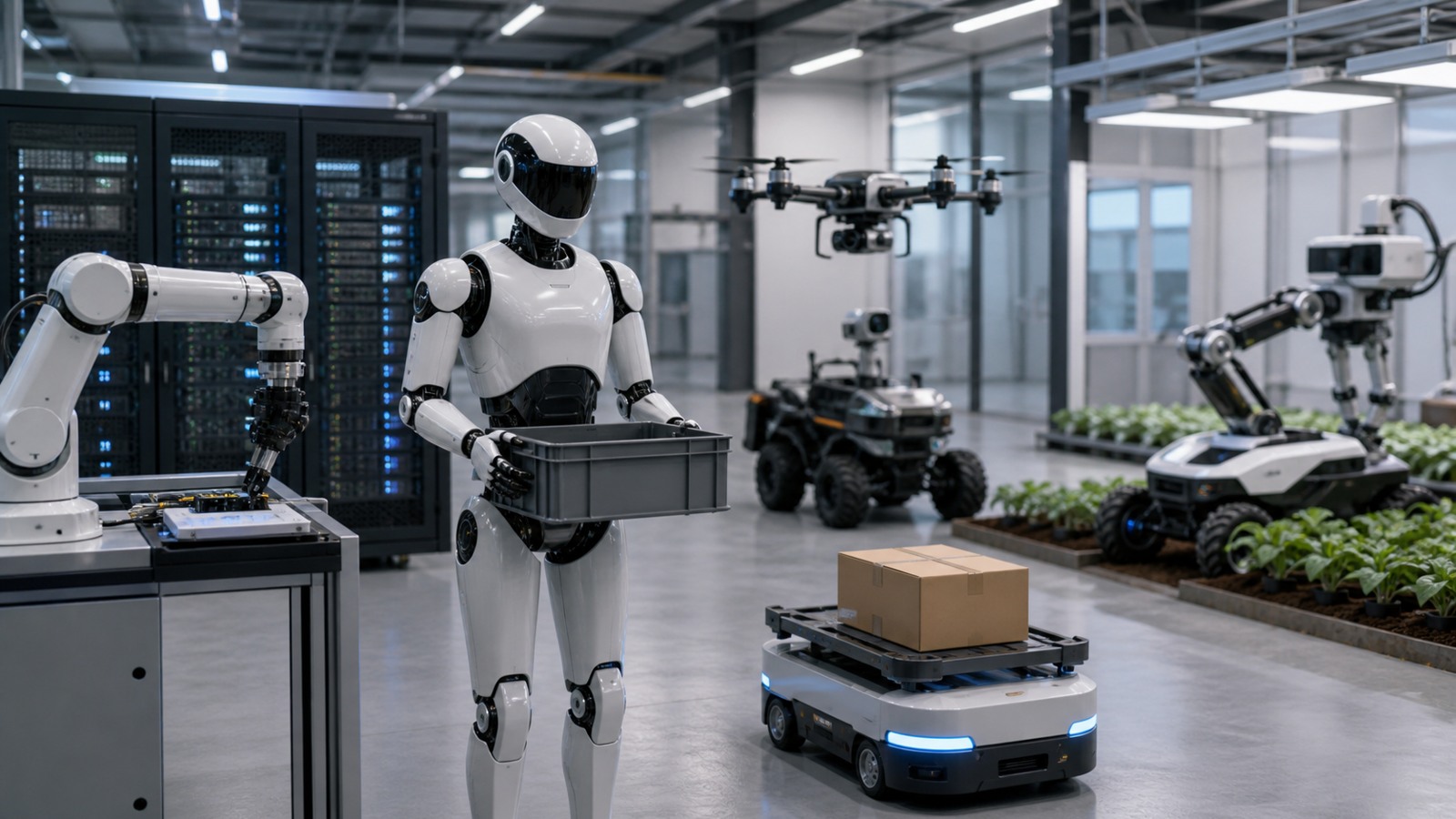
AI robots in 2026 are becoming more capable through better vision, learning, simulation, autonomy, and real-world deployment in structured environments.
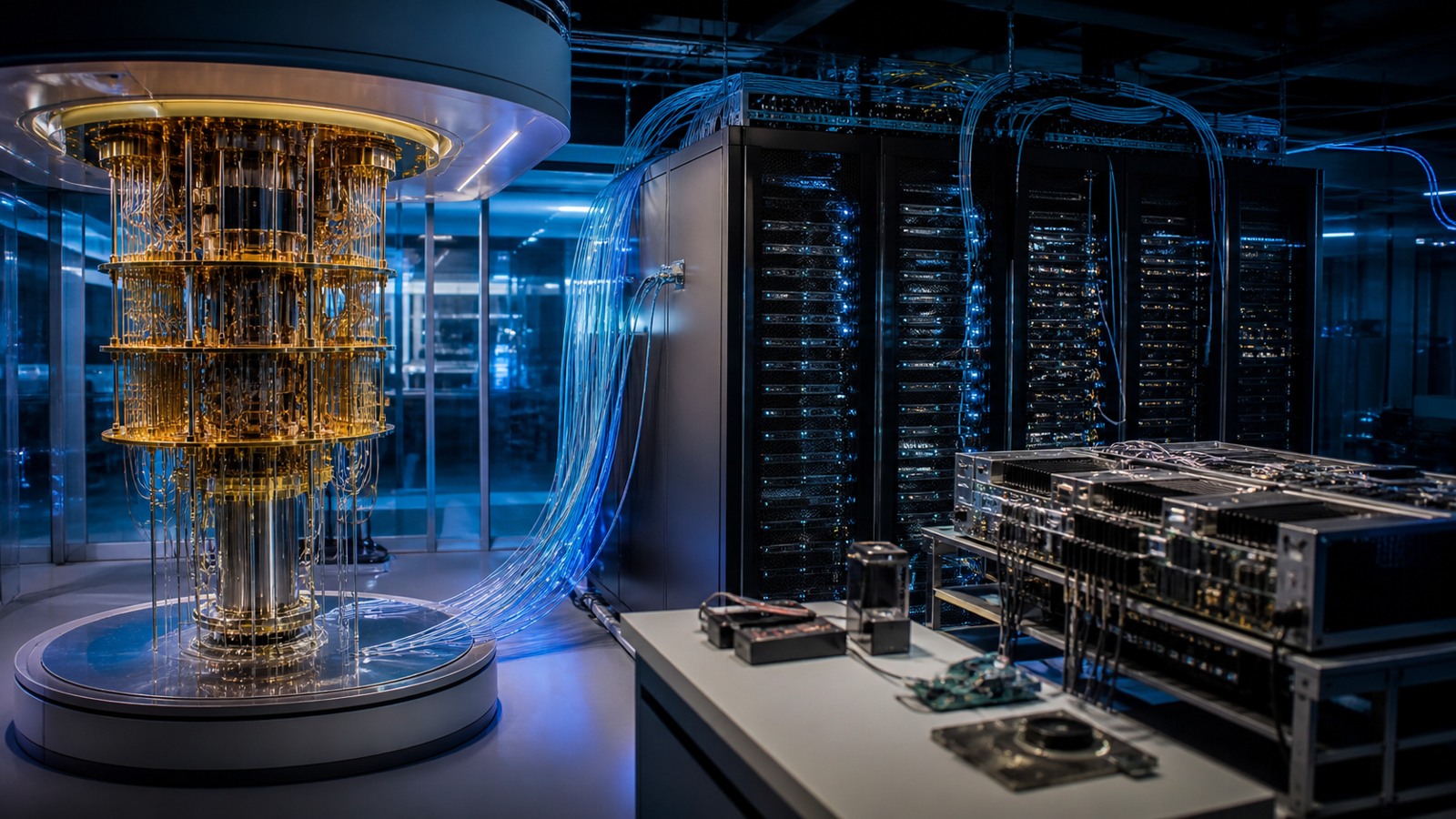
Quantum computing could reshape AI by improving optimization, simulation, sampling, and scientific discovery, but the practical impact will arrive gradually.
Compare market, customer, and public-health forecasting, including targets, feedback effects, uncertainty, and appropriate evaluation.
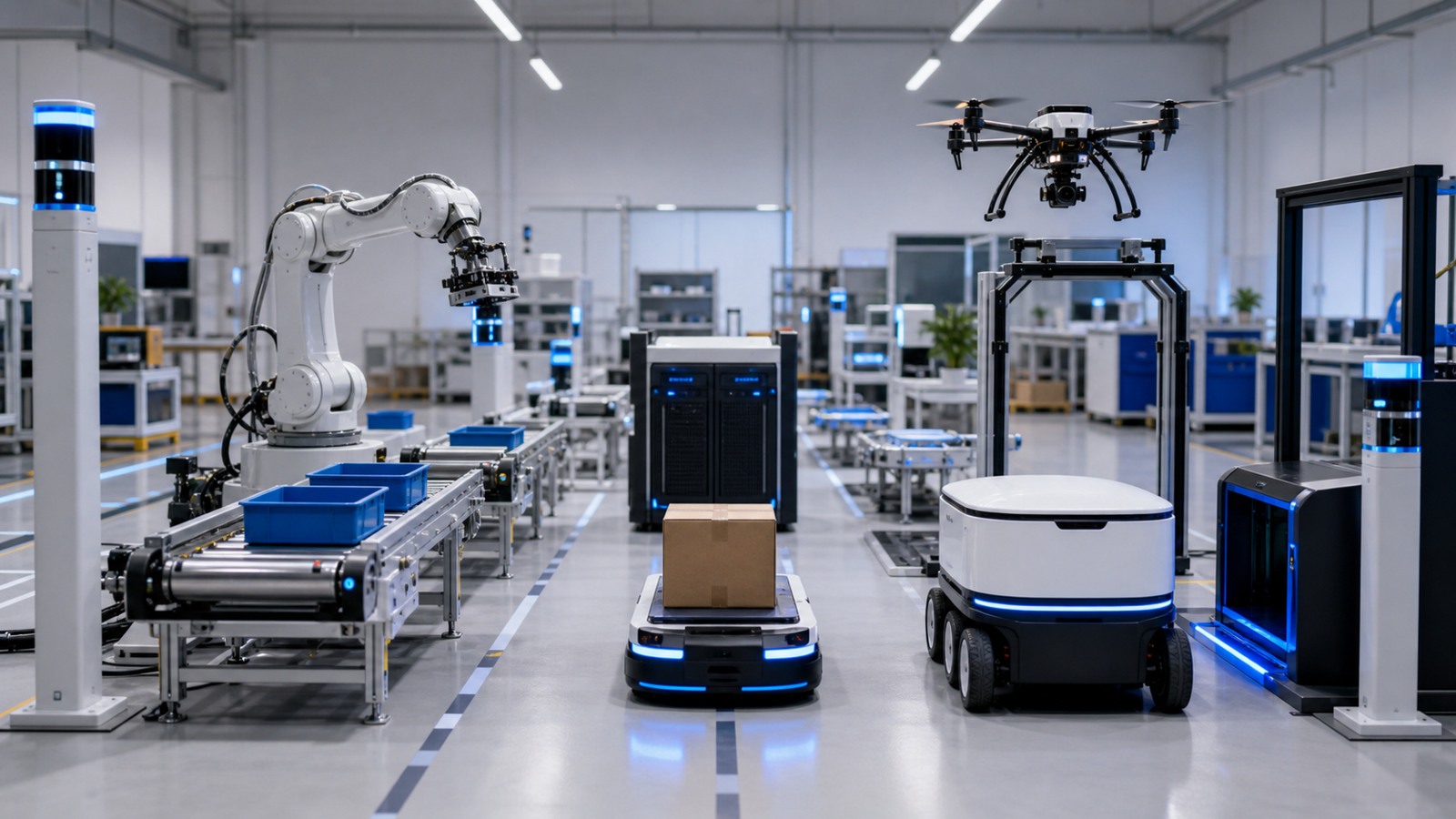
Autonomous systems use AI and automation to sense conditions, make decisions, and act within boundaries. They power robots, vehicles, factories, logistics, energy systems, and digital agents.