AI Sentience Explained: What It Is and Why It Matters
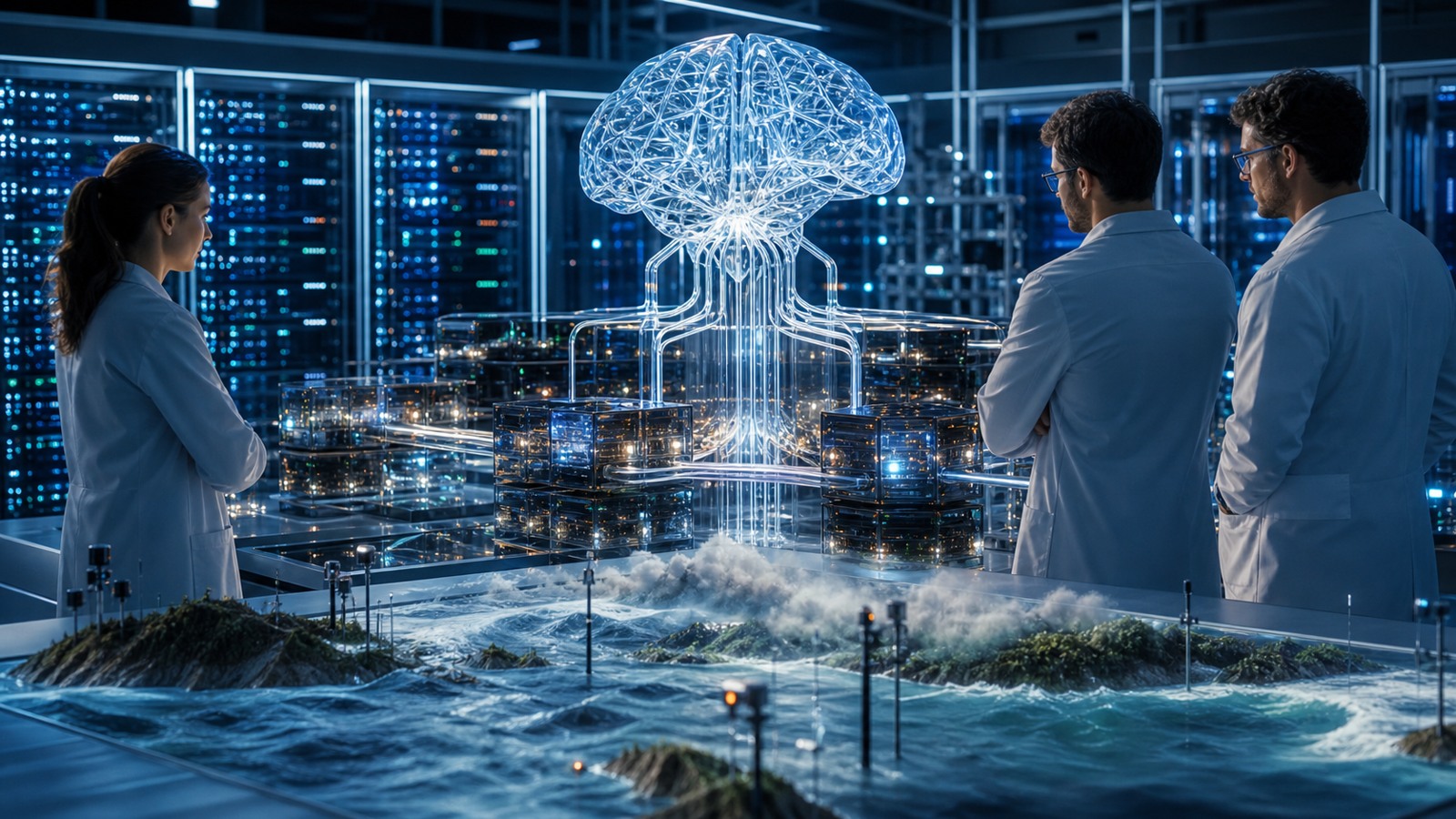
AI sentience is the question of whether a machine could ever have experiences that matter from its own point of view. The topic is speculative today, but important for ethics and design.

Where Connectivity Begins
AI sentience is the question of whether a machine could ever have experiences that matter from its own point of view. The topic is speculative today, but important for ethics and design.
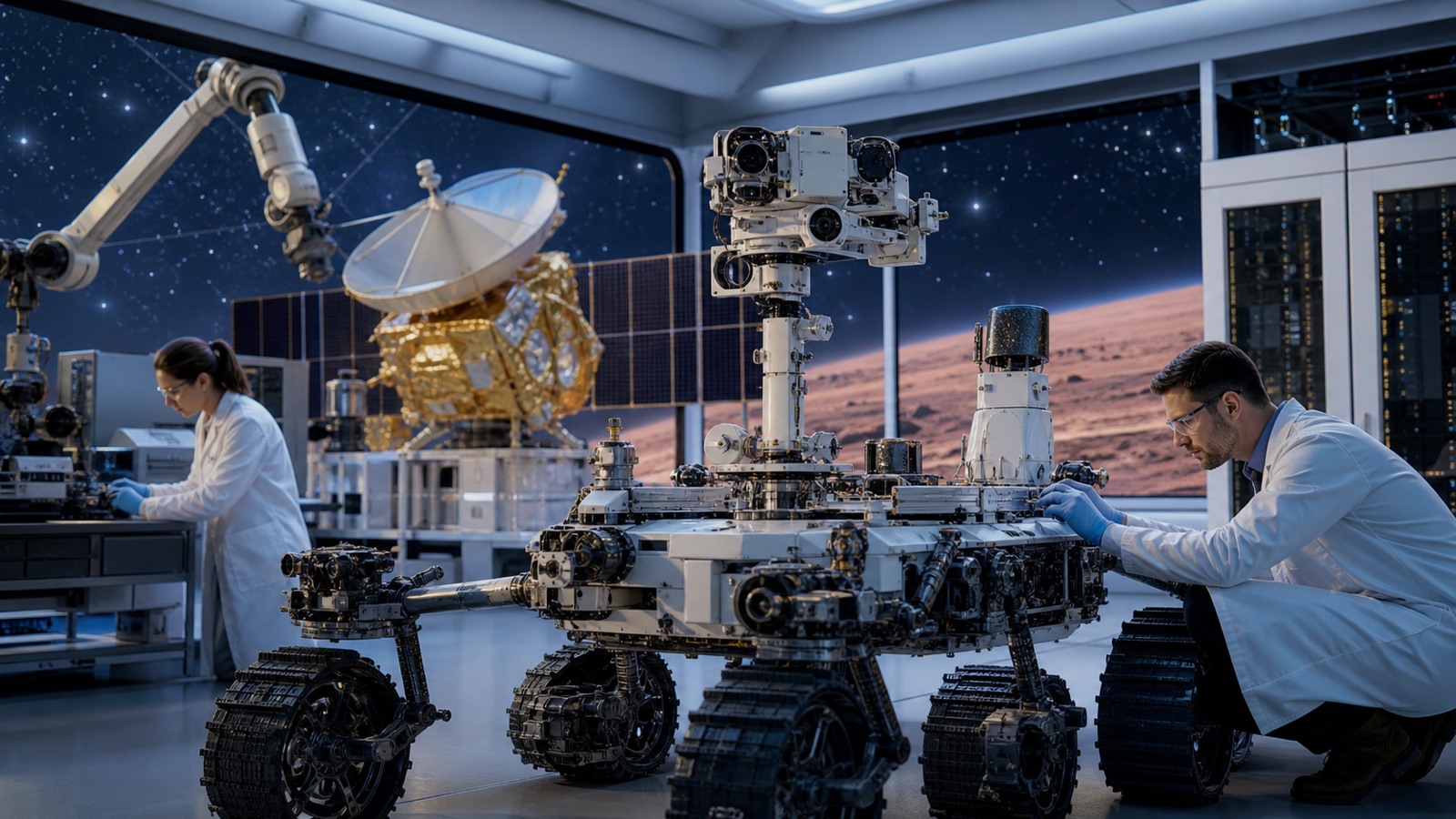
NASA uses AI to help rovers navigate, analyze satellite data, search telescope archives, plan missions, monitor spacecraft, and support discovery across the solar system and beyond.
AI self-awareness is a scientific question about whether machines could ever model themselves as experiencing subjects, not just produce convincing language about identity.
AI alignment is the effort to make advanced AI systems follow human intentions, respect human values, and remain useful under real-world pressure.
Human-AI synergy happens when people and AI systems make better decisions together than either could alone. The future depends on workflows that combine speed, judgment, context, and accountability.
Trace selected neural-network milestones, from early neuron models and perceptrons to backpropagation, deep learning, and attention-based architectures.
Predictive AI uses data, patterns, and probability to estimate what may happen next. It is already shaping forecasting in business, healthcare, finance, logistics, weather, and everyday software.
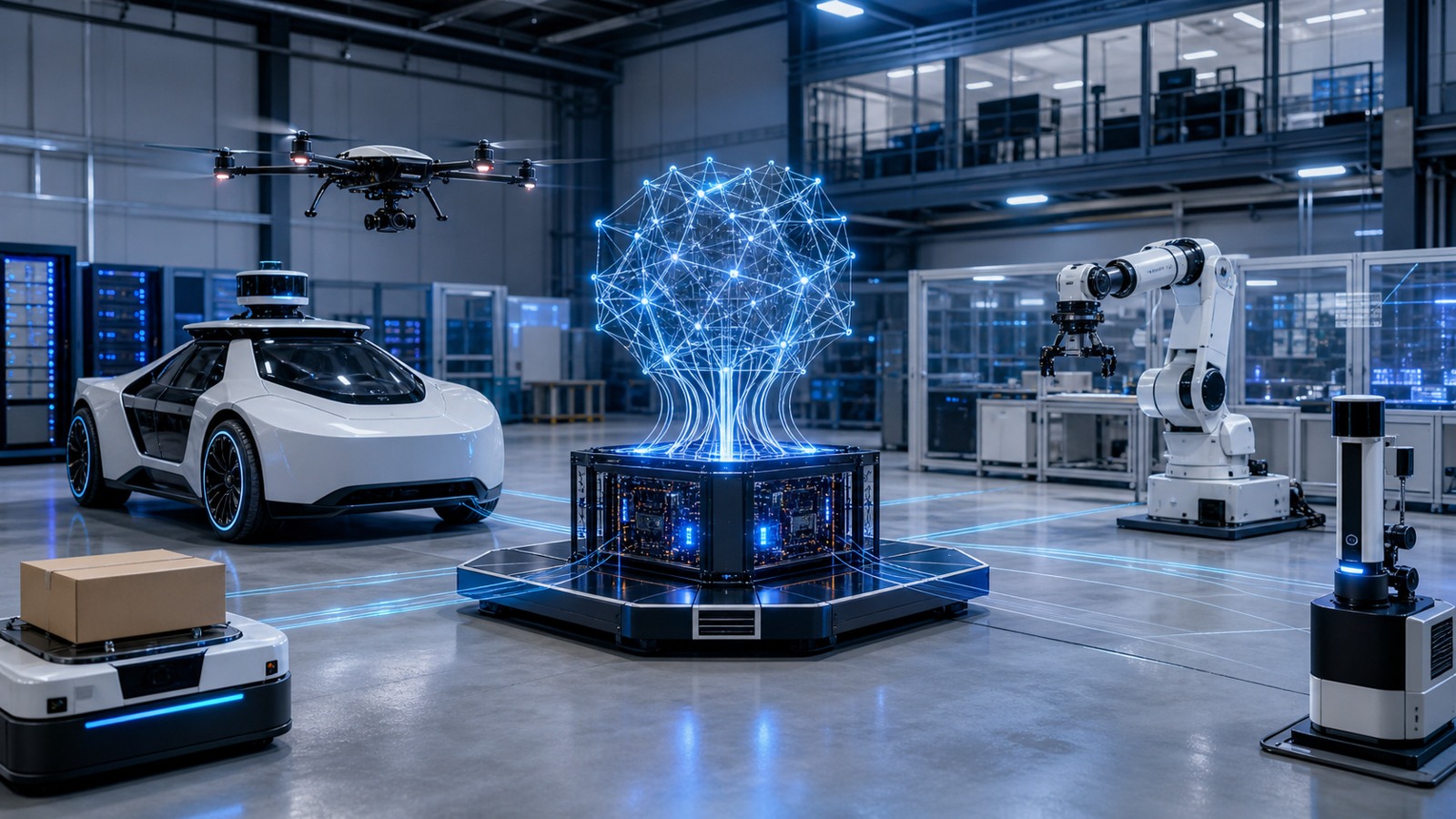
Autonomous systems use AI to sense, decide, and act with limited human direction. They are changing vehicles, robots, factories, logistics, agriculture, defense, and everyday infrastructure.
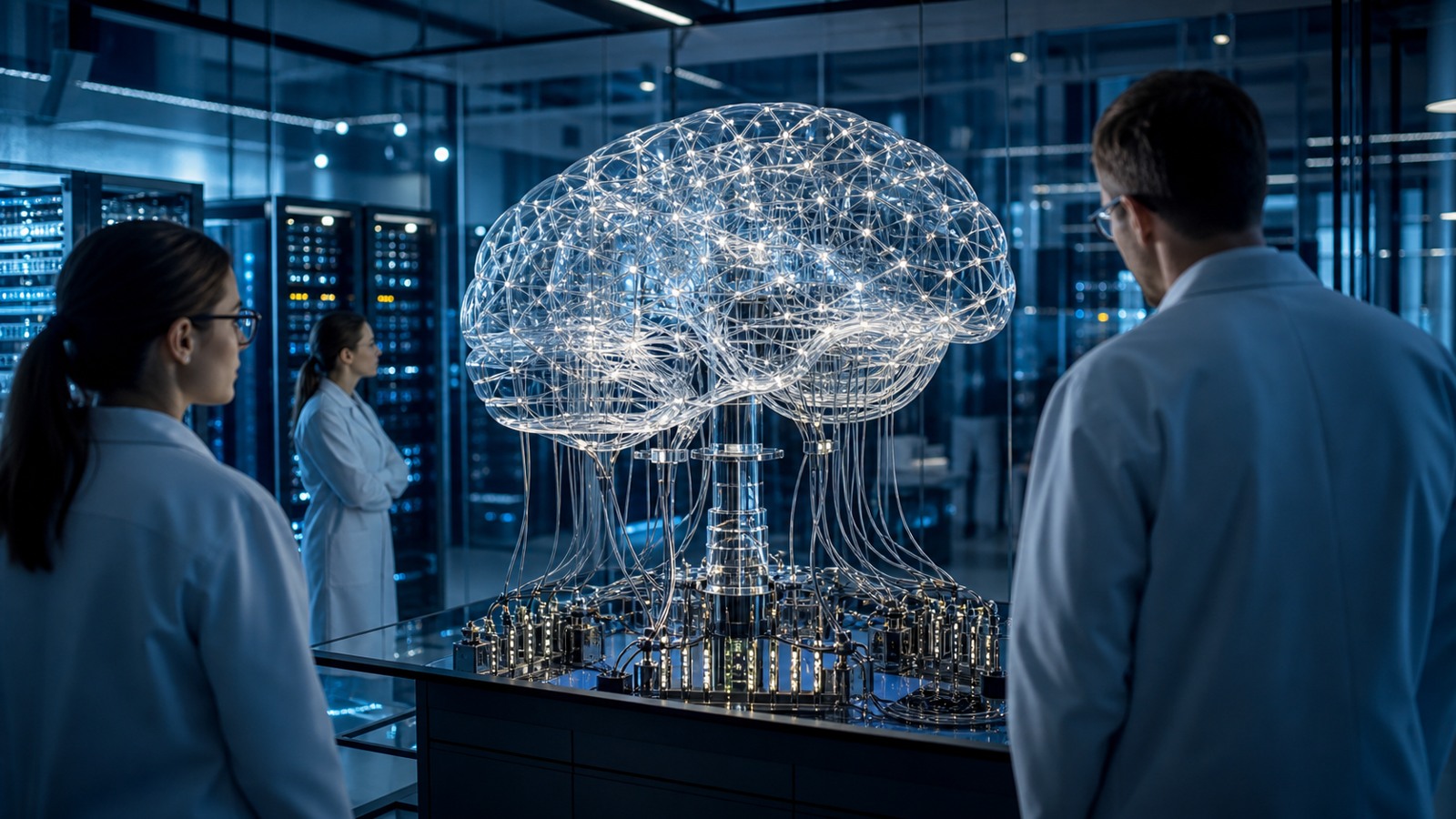
AI sentience asks whether future machines could ever become aware in a morally meaningful way. The answer is uncertain, but the debate shapes how we design, test, and talk about advanced AI.
See how local navigation, science targeting, and ground-based data analysis support space missions within practical operating limits.
Synthetic consciousness asks whether a machine could ever have inner experience rather than only intelligent behavior. The question sits at the edge of AI, neuroscience, philosophy, and public imagination.
AI ethics helps people decide how powerful systems should be designed, tested, deployed, and governed. It matters because AI now shapes choices that affect work, privacy, opportunity, and trust.