Work Changes When Machines Can Adapt
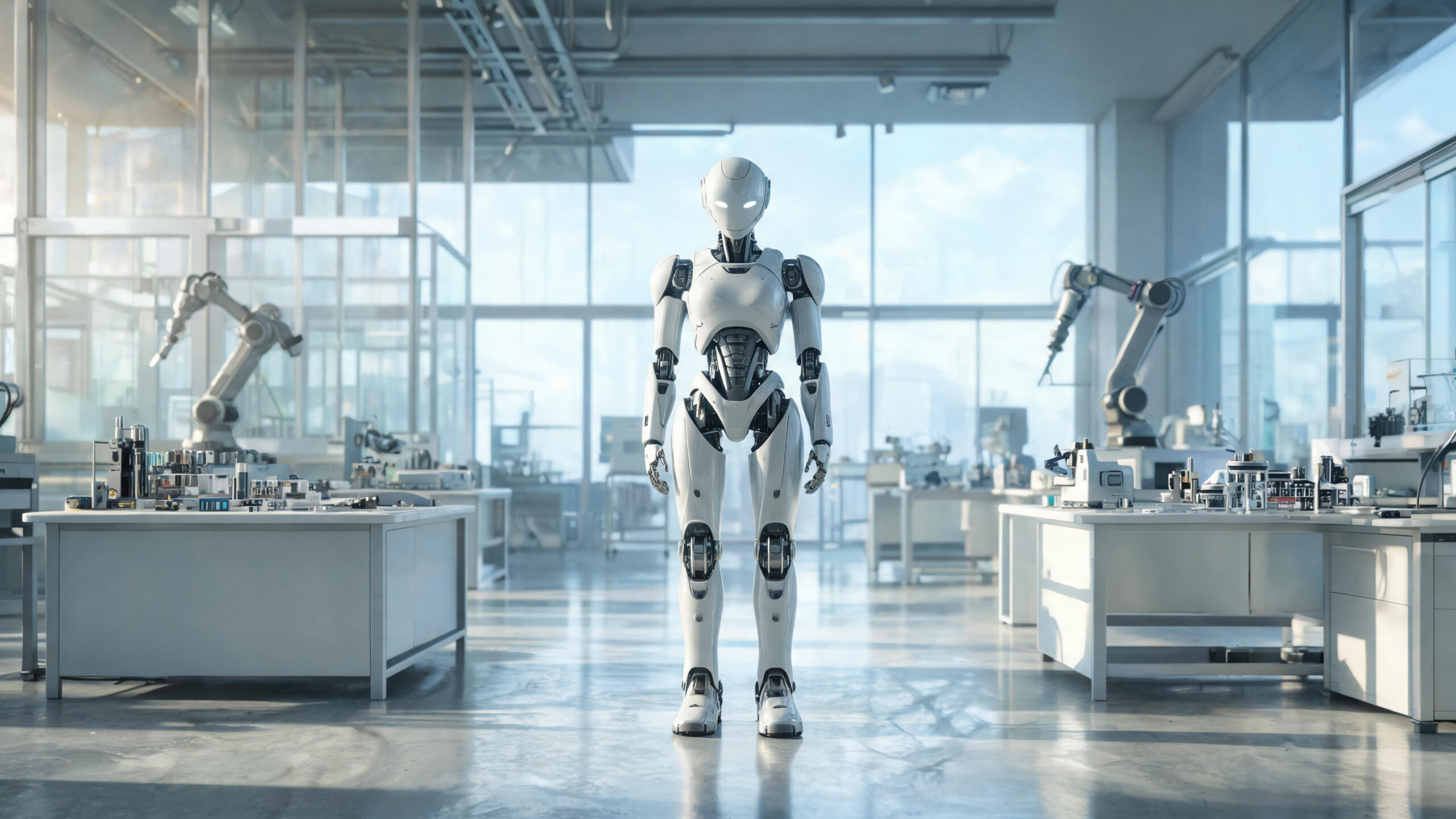
Robotics and automation used to mean a machine repeated the same action in the same place for as long as the process stayed predictable. AI changes that bargain. Machines can now inspect more varied objects, respond to sensor signals, adjust routes, learn from errors, and coordinate with software systems that understand demand and timing. The future of work will not be defined only by whether robots replace people. It will be defined by which tasks become machine-led, which tasks become human-supervised, and which new responsibilities appear when intelligent equipment joins the workplace.
A: It is about using AI to improve forecasting, ranking, scoring, and decision support while keeping review and context in place.
A: No. Outputs need testing, source checks, and human judgment.
A: Common risks include bad assumptions, stale data, and overconfident forecasts.
A: The most important data is the data that matches the real task and user decision.
A: No. Prompts help, but data quality, tool design, and review matter too.
A: Humans should stay involved when outcomes affect people, money, safety, privacy, or trust.
A: Test outputs against real examples, track errors, and measure whether the workflow improves.
A: Yes. Fluency is not proof of accuracy.
A: Clear goals, good data, review points, monitoring, and a fallback plan.
A: Accountability stays with analysts who test the pattern before acting on it.
Automation Is Moving From Fixed To Flexible
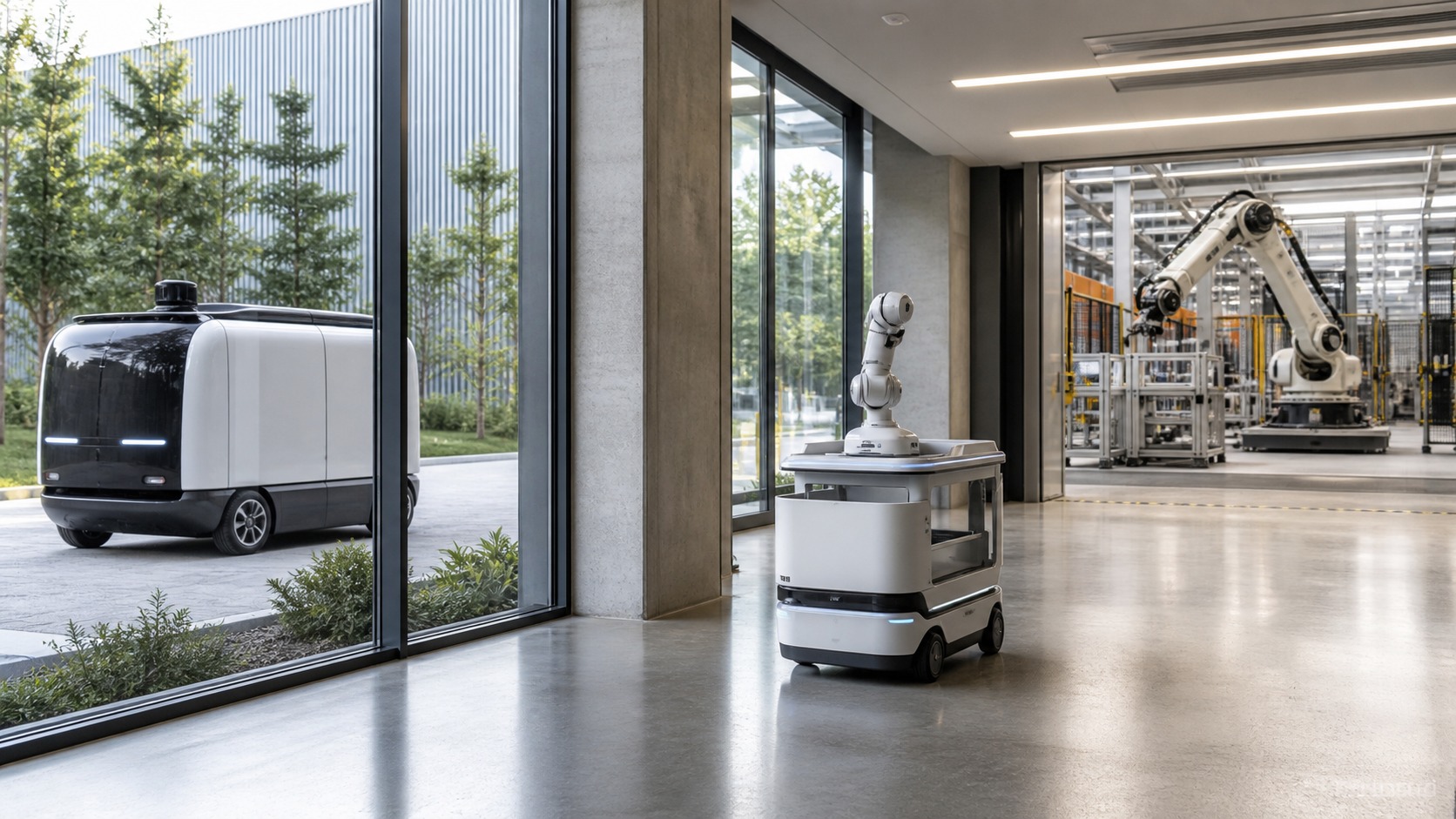
Traditional automation shines when the work is stable. A conveyor moves items along a line, a machine repeats a cut, and a robot arm performs the same weld thousands of times. That kind of automation is still important, but it struggles when products vary, demand changes, or the environment is messy. AI gives robotics a better chance at flexibility because the machine can use sensors and models to interpret the current situation instead of assuming the world is identical every cycle.
This shift changes the economics of automation. Companies no longer have to reserve robotics only for huge production runs with perfectly standardized parts. A vision-guided system may handle more variation. A mobile robot may move through a facility without fixed tracks. An inspection model may learn subtle defect patterns that would be exhausting for people to check all day. Flexibility does not remove complexity, but it expands where automation can make sense.
The Future Of Work Is A Task Redesign Story
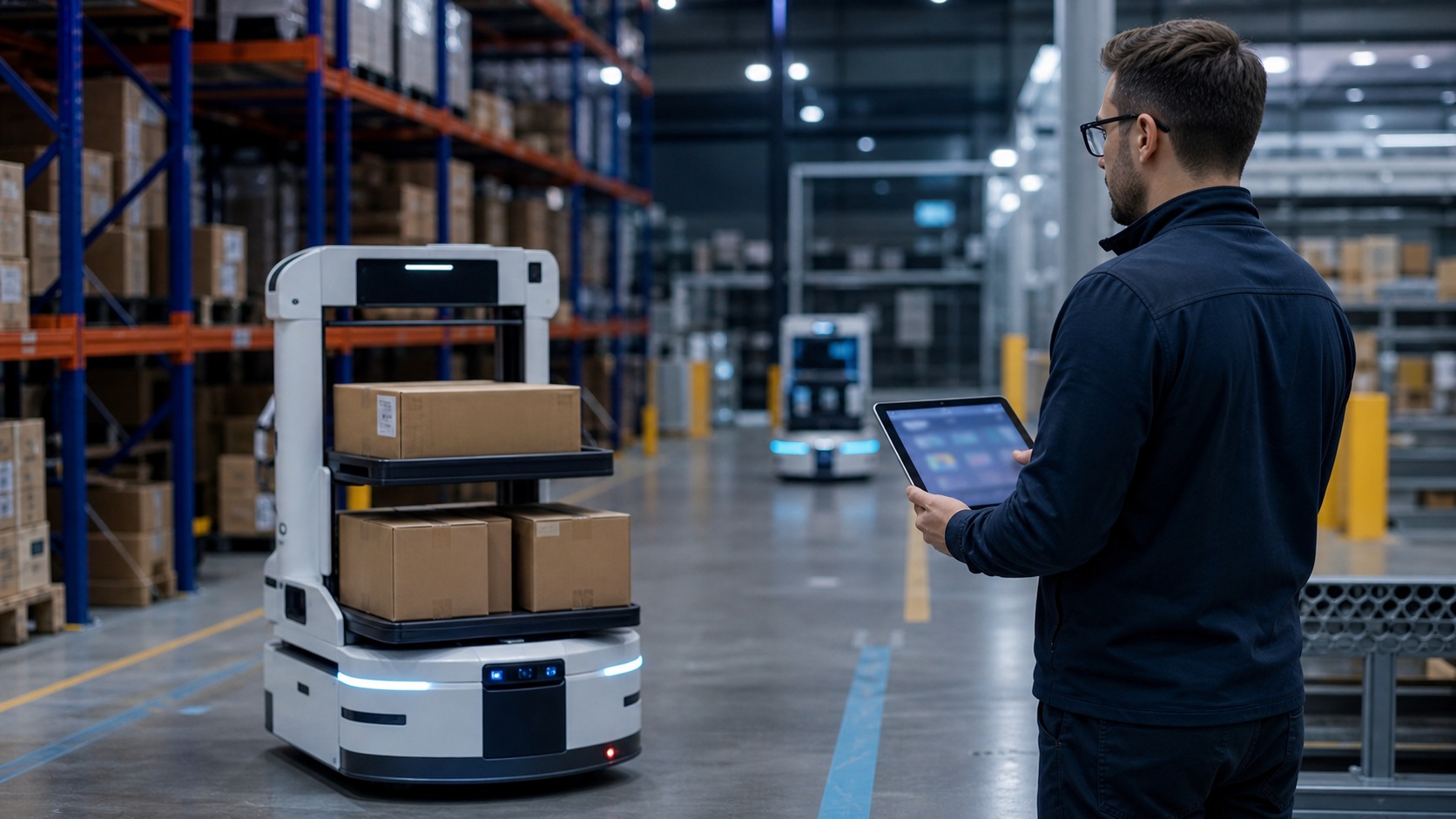
Work is rarely replaced as a whole. It is broken into tasks, and those tasks shift. A warehouse worker may spend less time walking long distances and more time managing exceptions. A technician may stop performing every inspection manually and start reviewing the cases an AI system flags. A nurse may rely on autonomous delivery systems for routine supplies while preserving attention for patients. The job changes because the work around the worker changes.
This is why the replacement question can be too blunt. A robot may remove a painful lifting task without eliminating the role. Automation may reduce staffing needs in one area while increasing demand for maintenance and coordination in another. The honest answer depends on task design, business incentives, training, and whether leaders use automation to augment capacity or simply cut labor.
A useful workplace strategy starts with task maps. Which steps are repetitive? Which are dangerous? Which require dexterity, empathy, negotiation, or unusual judgment? Which delays are caused by waiting, searching, moving, or documenting? Once teams understand the anatomy of work, they can decide where robotics belongs and where people should remain central.
Safety Becomes A Design Discipline
AI-enabled machines make safety both more promising and more demanding. Robots can remove people from hazardous spaces, reduce repetitive strain, handle heavy loads, and perform inspections in places humans should not enter. At the same time, adaptive machines require careful boundaries. If a robot changes routes, slows down, or selects a new grasp, people nearby need to understand what it is doing and trust that it will behave predictably.
The safety discipline includes physical layout, sensor placement, emergency stops, speed limits, training, signage, maintenance, and incident review. It also includes model behavior. A vision system that misses a person, mistakes a tool for a part, or becomes unreliable under glare is not merely inaccurate; it is operationally unsafe. Treating safety as an afterthought is one of the fastest ways to turn a promising robotics project into a fragile one.
Supervision Becomes A Valuable Skill
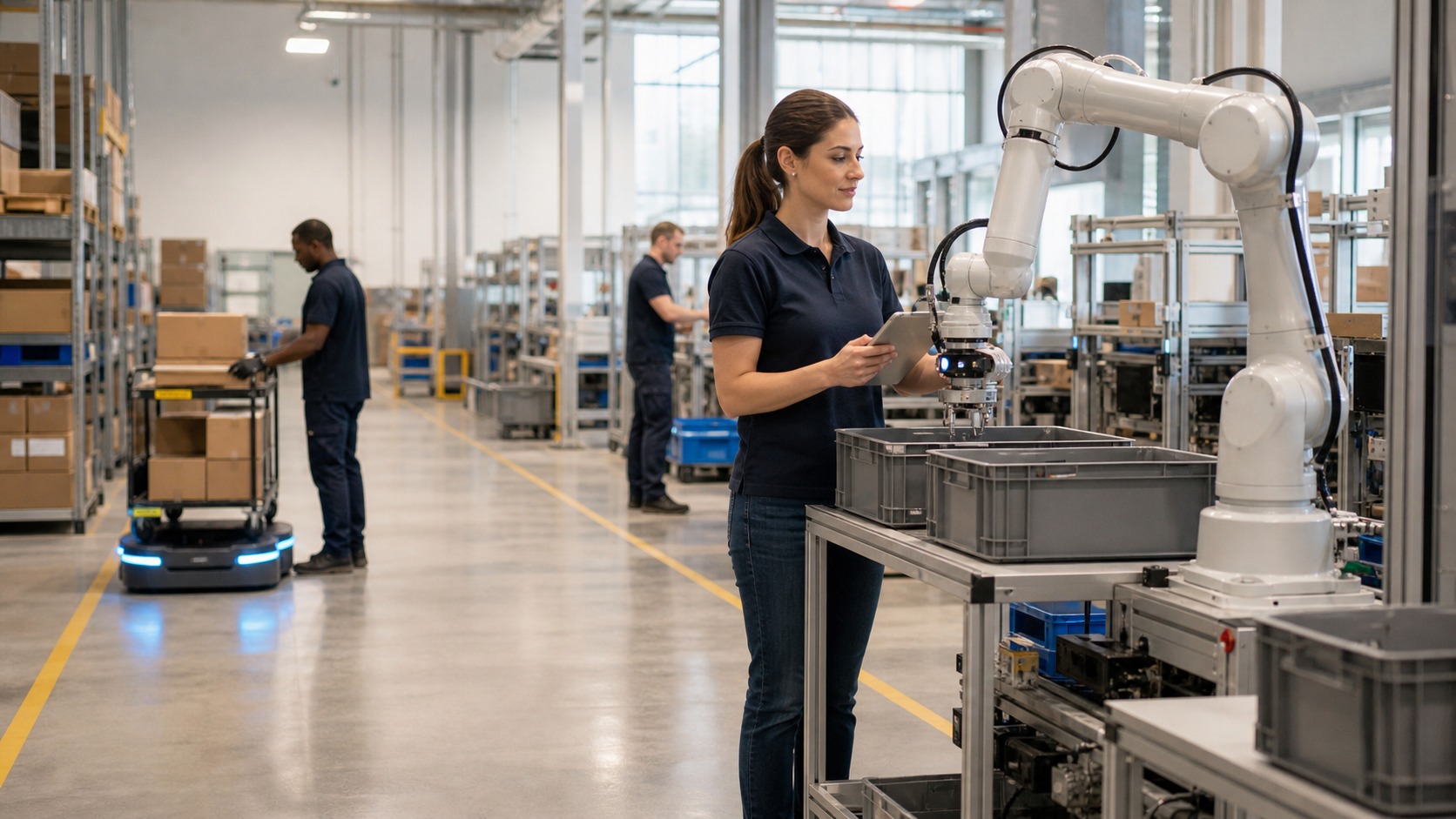
As automation grows, more workers will supervise systems rather than perform every action themselves. That supervision is not passive. People will need to interpret alerts, resolve exceptions, teach robots new cases, confirm quality decisions, adjust schedules, and understand when a machine should be stopped. The worker becomes a translator between messy reality and the machine’s defined operating range.
This creates a training challenge. A person who is excellent at manual work may need new support to become excellent at supervising automated work. They need to understand the system’s limits, common failure modes, and escalation paths. They also need authority. If workers are expected to babysit automation without the power to improve it, frustration rises quickly.
Good organizations treat frontline knowledge as a design resource. Operators know which bins are always overfilled, which parts arrive slightly bent, which labels peel off, and which handoff moments create confusion. AI teams need that knowledge because models fail in the real workplace, not in the slide deck.
White-Collar Automation Follows The Same Logic
Robotics may sound physical, but the same pattern applies to office work. Software automation can classify documents, route invoices, draft reports, summarize calls, or assemble first-pass analyses. AI does not only change factories; it changes the invisible workflows that keep companies operating. The lesson is the same: automate tasks, preserve judgment, and redesign handoffs.
The most resilient teams will learn to ask where machine speed helps and where human responsibility must remain clear. An AI system may draft a compliance memo, but a qualified person should approve it. A model may prioritize service tickets, but staff need a path to challenge the ranking. A workflow may auto-fill forms, but someone must own exceptions and audit quality.
This software side matters because many workers will meet automation before they ever stand next to a robot arm. Their calendars, ticket queues, reports, dashboards, and training systems may be reorganized by AI first. The cultural lesson is transferable: when automation changes the pace of work, people need clarity about responsibility and a real voice in improvements.
The office version also changes what counts as productivity. If a person can draft more reports, answer more tickets, or process more forms, leaders must decide whether the goal is faster output, better service, more thoughtful analysis, or simply more volume. Without that decision, AI can accelerate busywork rather than improve work. Robotics teaches the same lesson in physical form: speed only matters when the process it speeds up is worth preserving.
Labor Economics Will Vary By Workplace
The same robot can have very different effects in two organizations. In one plant, it may fill a role that has been chronically hard to hire for and reduce overtime pressure. In another, it may be introduced mainly to reduce headcount. In a hospital, mobile robots may support nurses by removing supply errands. In a warehouse, automation may increase throughput while changing the pace and monitoring of human work. The technology does not determine the social outcome by itself.
This is why worker involvement is more than a courtesy. People closest to the work know which tasks are painful, risky, wasteful, or poorly documented. They can also identify where automation would make the job worse by adding awkward handoffs or constant interruption. When leaders include that knowledge early, automation is more likely to solve a real problem and less likely to become an expensive source of resentment.
Wage and training strategy also matter. If automation raises skill requirements, organizations need to make advancement visible. Otherwise, workers may experience the new system as a threat even when it was intended as assistance. The future of work will feel more credible when people can see how their role develops alongside the machines.
A Sensible Implementation Sequence
A practical robotics roadmap begins with observation. Teams should watch the work, measure delays, review safety incidents, and map exception paths before choosing equipment. The next step is a narrow pilot with clear metrics: fewer injuries, shorter travel time, improved inspection consistency, reduced scrap, or faster recovery from bottlenecks. Broad claims about transformation are less useful than a few numbers tied to a real workflow.
After the pilot, the organization should decide what has to change around the robot. That may include training, maintenance schedules, spare parts, cybersecurity, data collection, shift roles, and supervisor dashboards. Scaling is not simply buying more units. It is proving that the system can survive ordinary workplace variation without constant rescue.
The Best Outcomes Are Built Deliberately
AI robotics can make work safer, faster, and more precise, but those benefits are not automatic. Leaders have to choose use cases that fit the technology, involve employees who understand the work, invest in training, and measure more than headline productivity. Throughput matters, but so do injuries, quality, morale, downtime, and resilience.
The best programs also accept that automation is never finished. Models need updates, equipment wears down, workers discover better routines, and product mixes change. A robot that fit last year’s process may need new tooling or revised logic this year. Treating automation as a living system keeps it from becoming brittle.
The future of work will not be a clean contest between humans and machines. It will be a long redesign of responsibilities. Machines will take over more routine sensing, movement, inspection, and coordination. People will move toward oversight, problem solving, relationship work, and system improvement. The organizations that handle that transition well will not be the ones that buy the most robots. They will be the ones that redesign work with enough care that intelligent machines make people more capable instead of merely more monitored.
That care will show up in ordinary management choices: who gets trained, who can stop a system, who reviews data, who explains changes, and who benefits from productivity gains. Robotics and automation are technical tools, but the future of work is a human design problem. AI can change the machine; leadership decides what kind of workplace grows around it.
For workers, the practical question is how to stay close to the changing system. Learning how robots see, where automation fails, how data enters the workflow, and how exceptions are resolved can make a person more valuable in an automated workplace. For leaders, the practical question is whether they will create those learning paths before anxiety hardens into resistance. The future of work will be easier to navigate when people are invited to help shape it.
The healthiest version of automation is therefore neither nostalgic nor reckless. It accepts that some tasks should leave human hands because they are unsafe, tedious, or better performed by machines. It also accepts that people deserve transparent plans, real training, and a meaningful role in judging whether the new system is working. That balance will decide whether AI robotics feels like progress people can participate in or pressure they can only endure.
The companies worth watching will be the ones where automation makes the work clearer, safer, and more skillful. When robots arrive with better processes and better training, the future of work becomes less about fear and more about capability.
That is the central promise of AI-enabled automation: not a workplace without people, but a workplace where people spend less time fighting avoidable friction and more time using judgment.
Getting there requires patience with pilots, honest metrics, and a willingness to redesign work after the first version exposes what the team did not yet understand.
That is where real adoption begins, and where the future of work becomes something teams can shape.