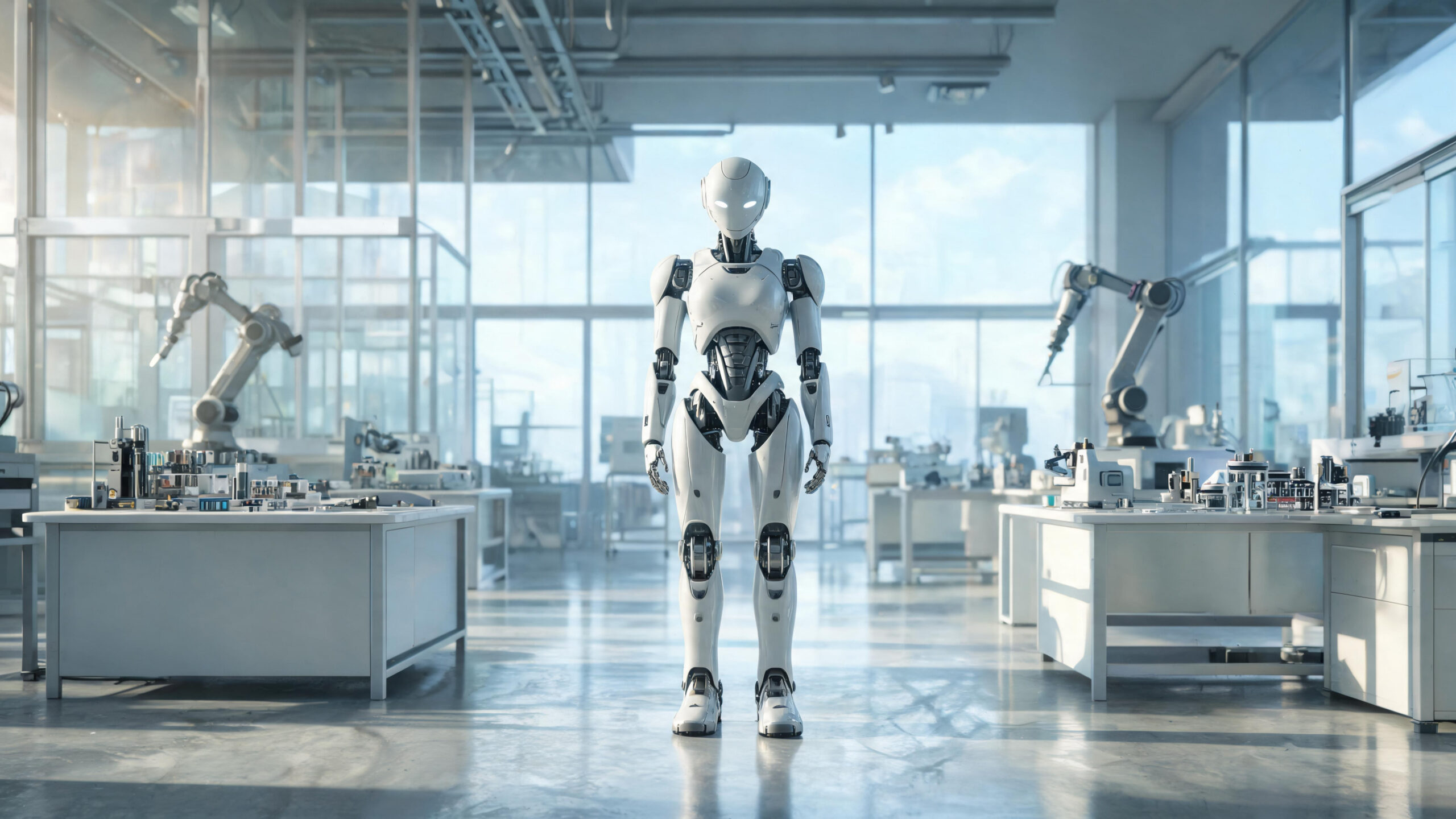
Humanoids Need Useful Jobs, Not Just Impressive Demos
The Future of Humanoid Robots: Hype, Reality, and What Comes Next is best understood through near-term commercial reality, economics, safety, and task boundaries for humanoids. The headline sounds futuristic, but the real story is practical: what the system can observe, what it can decide, where people remain responsible, and which limits should slow the work down. For technology readers interested in physical-world AI systems, the useful approach is to look past the broad category and study the workflow. A good explanation should show how the technology helps, where it fails, and why the surrounding human process matters as much as the model itself.
A: It is about using AI to improve forecasting, ranking, scoring, and decision support while keeping review and context in place.
A: No. Outputs need testing, source checks, and human judgment.
A: Common risks include bad assumptions, stale data, and overconfident forecasts.
A: The most important data is the data that matches the real task and user decision.
A: No. Prompts help, but data quality, tool design, and review matter too.
A: Humans should stay involved when outcomes affect people, money, safety, privacy, or trust.
A: Test outputs against real examples, track errors, and measure whether the workflow improves.
A: Yes. Fluency is not proof of accuracy.
A: Clear goals, good data, review points, monitoring, and a fallback plan.
A: Accountability stays with analysts who test the pattern before acting on it.
Why The Humanoid Shape Still Matters
Why The Humanoid Shape Still Matters separates humanoid robotics from stagecraft. A humanoid robot may look impressive during a choreographed trial, but adoption depends on boring questions about uptime, recovery, training, and service cost. Falls can turn a promising demonstration into a fragile product if the robot cannot survive routine work. The near future belongs to narrow commercial tasks where a human-shaped machine solves a workspace problem that wheels, arms, or fixed automation cannot solve as easily. A companion system like teleoperation station makes the economics of humanoid deployment easier to judge.
Why The Humanoid Shape Still Matters separates humanoid robotics from stagecraft. A warehouse tote may look impressive during a choreographed trial, but adoption depends on boring questions about uptime, recovery, training, and service cost. Cost can turn a promising demonstration into a fragile product if the robot cannot survive routine work. The near future belongs to narrow commercial tasks where a human-shaped machine solves a workspace problem that wheels, arms, or fixed automation cannot solve as easily. A companion system like robot hand makes the economics of humanoid deployment easier to judge.
The Demo Is Not The Deployment
The Demo Is Not The Deployment separates humanoid robotics from stagecraft. A warehouse tote may look impressive during a choreographed trial, but adoption depends on boring questions about uptime, recovery, training, and service cost. Fragility can turn a promising demonstration into a fragile product if the robot cannot survive routine work. The near future belongs to narrow commercial tasks where a human-shaped machine solves a workspace problem that wheels, arms, or fixed automation cannot solve as easily. A companion system like robot hand makes the economics of humanoid deployment easier to judge.
The Demo Is Not The Deployment separates humanoid robotics from stagecraft. A teleoperation station may look impressive during a choreographed trial, but adoption depends on boring questions about uptime, recovery, training, and service cost. Overpromising can turn a promising demonstration into a fragile product if the robot cannot survive routine work. The near future belongs to narrow commercial tasks where a human-shaped machine solves a workspace problem that wheels, arms, or fixed automation cannot solve as easily. A companion system like safety supervisor makes the economics of humanoid deployment easier to judge.
The Demo Is Not The Deployment separates humanoid robotics from stagecraft. A robot hand may look impressive during a choreographed trial, but adoption depends on boring questions about uptime, recovery, training, and service cost. Falls can turn a promising demonstration into a fragile product if the robot cannot survive routine work. The near future belongs to narrow commercial tasks where a human-shaped machine solves a workspace problem that wheels, arms, or fixed automation cannot solve as easily. A companion system like humanoid robot makes the economics of humanoid deployment easier to judge.
Warehouses May Arrive Before Homes
Warehouses May Arrive Before Homes separates humanoid robotics from stagecraft. A teleoperation station may look impressive during a choreographed trial, but adoption depends on boring questions about uptime, recovery, training, and service cost. Cost can turn a promising demonstration into a fragile product if the robot cannot survive routine work. The near future belongs to narrow commercial tasks where a human-shaped machine solves a workspace problem that wheels, arms, or fixed automation cannot solve as easily. A companion system like safety supervisor makes the economics of humanoid deployment easier to judge.
Warehouses May Arrive Before Homes separates humanoid robotics from stagecraft. A robot hand may look impressive during a choreographed trial, but adoption depends on boring questions about uptime, recovery, training, and service cost. Maintenance can turn a promising demonstration into a fragile product if the robot cannot survive routine work. The near future belongs to narrow commercial tasks where a human-shaped machine solves a workspace problem that wheels, arms, or fixed automation cannot solve as easily. A companion system like humanoid robot makes the economics of humanoid deployment easier to judge.
Warehouses May Arrive Before Homes separates humanoid robotics from stagecraft. A safety supervisor may look impressive during a choreographed trial, but adoption depends on boring questions about uptime, recovery, training, and service cost. Fragility can turn a promising demonstration into a fragile product if the robot cannot survive routine work. The near future belongs to narrow commercial tasks where a human-shaped machine solves a workspace problem that wheels, arms, or fixed automation cannot solve as easily. A companion system like warehouse tote makes the economics of humanoid deployment easier to judge.
Warehouses May Arrive Before Homes separates humanoid robotics from stagecraft. A humanoid robot may look impressive during a choreographed trial, but adoption depends on boring questions about uptime, recovery, training, and service cost. Overpromising can turn a promising demonstration into a fragile product if the robot cannot survive routine work. The near future belongs to narrow commercial tasks where a human-shaped machine solves a workspace problem that wheels, arms, or fixed automation cannot solve as easily. A companion system like teleoperation station makes the economics of humanoid deployment easier to judge.
Hands And Balance Remain Hard
Hands And Balance Remain Hard separates humanoid robotics from stagecraft. A robot hand may look impressive during a choreographed trial, but adoption depends on boring questions about uptime, recovery, training, and service cost. Overpromising can turn a promising demonstration into a fragile product if the robot cannot survive routine work. The near future belongs to narrow commercial tasks where a human-shaped machine solves a workspace problem that wheels, arms, or fixed automation cannot solve as easily. A companion system like humanoid robot makes the economics of humanoid deployment easier to judge.
Costs Decide Adoption
Costs Decide Adoption separates humanoid robotics from stagecraft. A safety supervisor may look impressive during a choreographed trial, but adoption depends on boring questions about uptime, recovery, training, and service cost. Maintenance can turn a promising demonstration into a fragile product if the robot cannot survive routine work. The near future belongs to narrow commercial tasks where a human-shaped machine solves a workspace problem that wheels, arms, or fixed automation cannot solve as easily. A companion system like warehouse tote makes the economics of humanoid deployment easier to judge.
Costs Decide Adoption separates humanoid robotics from stagecraft. A humanoid robot may look impressive during a choreographed trial, but adoption depends on boring questions about uptime, recovery, training, and service cost. Fragility can turn a promising demonstration into a fragile product if the robot cannot survive routine work. The near future belongs to narrow commercial tasks where a human-shaped machine solves a workspace problem that wheels, arms, or fixed automation cannot solve as easily. A companion system like teleoperation station makes the economics of humanoid deployment easier to judge.
Costs Decide Adoption separates humanoid robotics from stagecraft. A warehouse tote may look impressive during a choreographed trial, but adoption depends on boring questions about uptime, recovery, training, and service cost. Overpromising can turn a promising demonstration into a fragile product if the robot cannot survive routine work. The near future belongs to narrow commercial tasks where a human-shaped machine solves a workspace problem that wheels, arms, or fixed automation cannot solve as easily. A companion system like robot hand makes the economics of humanoid deployment easier to judge.
People Need Clear Safety Boundaries
People Need Clear Safety Boundaries separates humanoid robotics from stagecraft. A humanoid robot may look impressive during a choreographed trial, but adoption depends on boring questions about uptime, recovery, training, and service cost. Falls can turn a promising demonstration into a fragile product if the robot cannot survive routine work. The near future belongs to narrow commercial tasks where a human-shaped machine solves a workspace problem that wheels, arms, or fixed automation cannot solve as easily. A companion system like teleoperation station makes the economics of humanoid deployment easier to judge.
People Need Clear Safety Boundaries separates humanoid robotics from stagecraft. A warehouse tote may look impressive during a choreographed trial, but adoption depends on boring questions about uptime, recovery, training, and service cost. Cost can turn a promising demonstration into a fragile product if the robot cannot survive routine work. The near future belongs to narrow commercial tasks where a human-shaped machine solves a workspace problem that wheels, arms, or fixed automation cannot solve as easily. A companion system like robot hand makes the economics of humanoid deployment easier to judge.
What Comes Next For Humanoids
What Comes Next For Humanoids separates humanoid robotics from stagecraft. A warehouse tote may look impressive during a choreographed trial, but adoption depends on boring questions about uptime, recovery, training, and service cost. Fragility can turn a promising demonstration into a fragile product if the robot cannot survive routine work. The near future belongs to narrow commercial tasks where a human-shaped machine solves a workspace problem that wheels, arms, or fixed automation cannot solve as easily. A companion system like robot hand makes the economics of humanoid deployment easier to judge.
What Comes Next For Humanoids separates humanoid robotics from stagecraft. A teleoperation station may look impressive during a choreographed trial, but adoption depends on boring questions about uptime, recovery, training, and service cost. Overpromising can turn a promising demonstration into a fragile product if the robot cannot survive routine work. The near future belongs to narrow commercial tasks where a human-shaped machine solves a workspace problem that wheels, arms, or fixed automation cannot solve as easily. A companion system like safety supervisor makes the economics of humanoid deployment easier to judge.
What Comes Next For Humanoids separates humanoid robotics from stagecraft. A robot hand may look impressive during a choreographed trial, but adoption depends on boring questions about uptime, recovery, training, and service cost. Falls can turn a promising demonstration into a fragile product if the robot cannot survive routine work. The near future belongs to narrow commercial tasks where a human-shaped machine solves a workspace problem that wheels, arms, or fixed automation cannot solve as easily. A companion system like humanoid robot makes the economics of humanoid deployment easier to judge.
What Comes Next For Humanoids separates humanoid robotics from stagecraft. A safety supervisor may look impressive during a choreographed trial, but adoption depends on boring questions about uptime, recovery, training, and service cost. Cost can turn a promising demonstration into a fragile product if the robot cannot survive routine work. The near future belongs to narrow commercial tasks where a human-shaped machine solves a workspace problem that wheels, arms, or fixed automation cannot solve as easily. A companion system like warehouse tote makes the economics of humanoid deployment easier to judge.