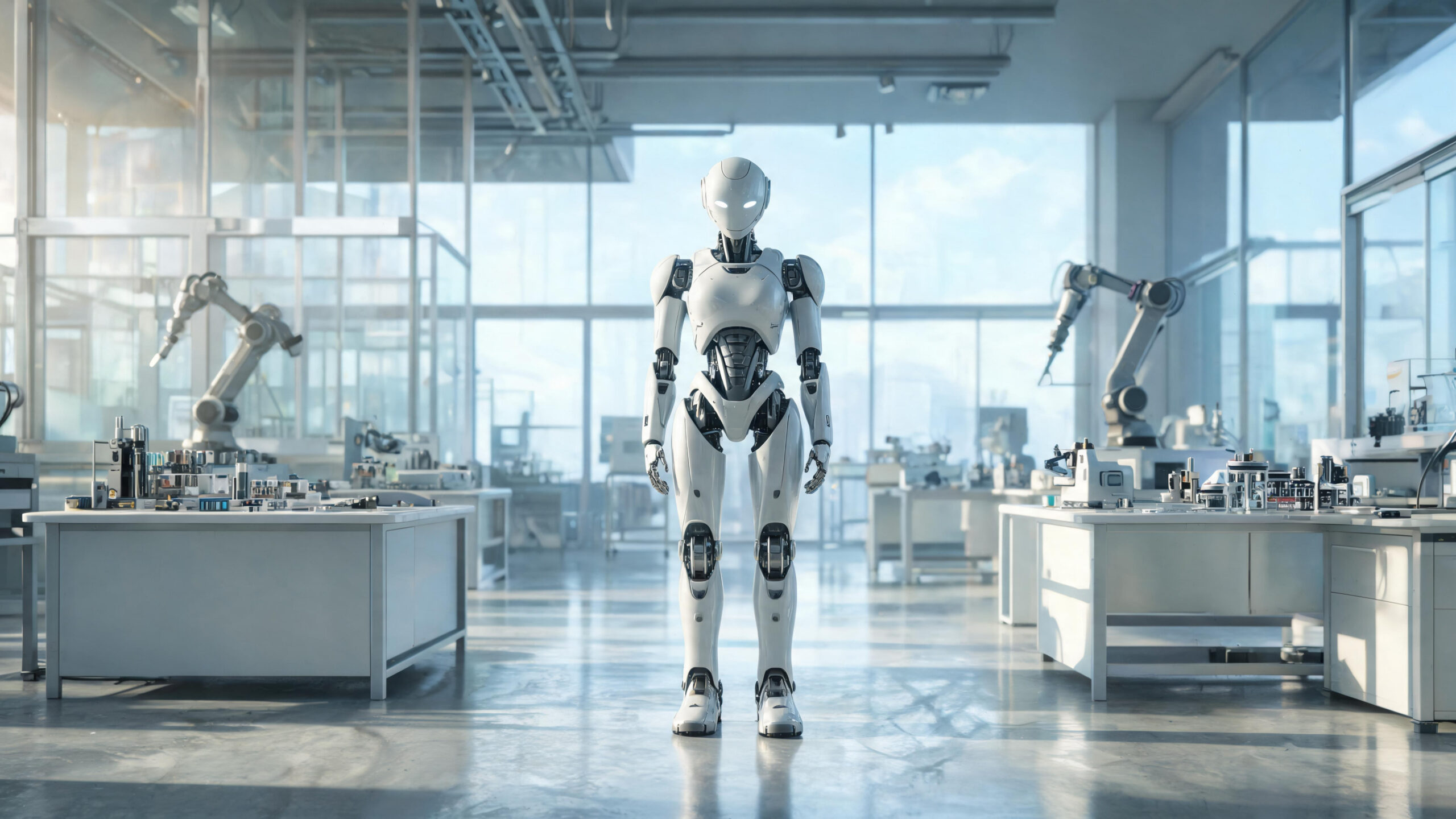
Autonomous Robots Are Leaving The Demo Stage
Autonomous Robots: How Intelligent Machines Are Changing the World is best understood through real deployments in infrastructure, logistics, inspection, agriculture, and public environments. The headline sounds futuristic, but the real story is practical: what the system can observe, what it can decide, where people remain responsible, and which limits should slow the work down. For technology readers interested in physical-world AI systems, the useful approach is to look past the broad category and study the workflow. A good explanation should show how the technology helps, where it fails, and why the surrounding human process matters as much as the model itself.
A: It is about using AI to improve planning steps, using tools, routing work, and monitoring outcomes while keeping review and context in place.
A: No. Outputs need testing, source checks, and human judgment.
A: Common risks include runaway actions, unclear authority, brittle workflows, and poor oversight.
A: The most important data is the data that matches the real task and user decision.
A: No. Prompts help, but data quality, tool design, and review matter too.
A: Humans should stay involved when outcomes affect people, money, safety, privacy, or trust.
A: Test outputs against real examples, track errors, and measure whether the workflow improves.
A: Yes. Fluency is not proof of accuracy.
A: Clear goals, good data, review points, monitoring, and a fallback plan.
A: Accountability stays with owners who set limits, approvals, and review points.
Autonomy Means More Than Motion
Autonomy Means More Than Motion shows why autonomous robots are becoming practical in places that have repeated physical work. A delivery robot changes the job by turning route choice, obstacle handling, and status reporting into machine-supported decisions. The hard part is not motion alone; it is keeping useful behavior when blocked paths disrupts the neat version of the environment. Successful deployments start with bounded routes, trained supervisors, maintenance plans, and a clear reason for the robot to exist. Another machine, such as field rover, shows how varied the autonomy field has become outside the lab.
Autonomy Means More Than Motion shows why autonomous robots are becoming practical in places that have repeated physical work. A inspection crawler changes the job by turning route choice, obstacle handling, and status reporting into machine-supported decisions. The hard part is not motion alone; it is keeping useful behavior when privacy disrupts the neat version of the environment. Successful deployments start with bounded routes, trained supervisors, maintenance plans, and a clear reason for the robot to exist. Another machine, such as warehouse cart, shows how varied the autonomy field has become outside the lab.
Inspection Is A Quiet Breakthrough
Inspection Is A Quiet Breakthrough shows why autonomous robots are becoming practical in places that have repeated physical work. A inspection crawler changes the job by turning route choice, obstacle handling, and status reporting into machine-supported decisions. The hard part is not motion alone; it is keeping useful behavior when weather disrupts the neat version of the environment. Successful deployments start with bounded routes, trained supervisors, maintenance plans, and a clear reason for the robot to exist. Another machine, such as warehouse cart, shows how varied the autonomy field has become outside the lab.
Inspection Is A Quiet Breakthrough shows why autonomous robots are becoming practical in places that have repeated physical work. A field rover changes the job by turning route choice, obstacle handling, and status reporting into machine-supported decisions. The hard part is not motion alone; it is keeping useful behavior when maintenance disrupts the neat version of the environment. Successful deployments start with bounded routes, trained supervisors, maintenance plans, and a clear reason for the robot to exist. Another machine, such as drone, shows how varied the autonomy field has become outside the lab.
Inspection Is A Quiet Breakthrough shows why autonomous robots are becoming practical in places that have repeated physical work. A warehouse cart changes the job by turning route choice, obstacle handling, and status reporting into machine-supported decisions. The hard part is not motion alone; it is keeping useful behavior when blocked paths disrupts the neat version of the environment. Successful deployments start with bounded routes, trained supervisors, maintenance plans, and a clear reason for the robot to exist. Another machine, such as delivery robot, shows how varied the autonomy field has become outside the lab.
Inspection Is A Quiet Breakthrough shows why autonomous robots are becoming practical in places that have repeated physical work. A drone changes the job by turning route choice, obstacle handling, and status reporting into machine-supported decisions. The hard part is not motion alone; it is keeping useful behavior when privacy disrupts the neat version of the environment. Successful deployments start with bounded routes, trained supervisors, maintenance plans, and a clear reason for the robot to exist. Another machine, such as inspection crawler, shows how varied the autonomy field has become outside the lab.
Logistics Shows The Business Case
Logistics Shows The Business Case shows why autonomous robots are becoming practical in places that have repeated physical work. A field rover changes the job by turning route choice, obstacle handling, and status reporting into machine-supported decisions. The hard part is not motion alone; it is keeping useful behavior when privacy disrupts the neat version of the environment. Successful deployments start with bounded routes, trained supervisors, maintenance plans, and a clear reason for the robot to exist. Another machine, such as drone, shows how varied the autonomy field has become outside the lab.
Logistics Shows The Business Case shows why autonomous robots are becoming practical in places that have repeated physical work. A warehouse cart changes the job by turning route choice, obstacle handling, and status reporting into machine-supported decisions. The hard part is not motion alone; it is keeping useful behavior when unsafe assumptions disrupts the neat version of the environment. Successful deployments start with bounded routes, trained supervisors, maintenance plans, and a clear reason for the robot to exist. Another machine, such as delivery robot, shows how varied the autonomy field has become outside the lab.
Logistics Shows The Business Case shows why autonomous robots are becoming practical in places that have repeated physical work. A drone changes the job by turning route choice, obstacle handling, and status reporting into machine-supported decisions. The hard part is not motion alone; it is keeping useful behavior when weather disrupts the neat version of the environment. Successful deployments start with bounded routes, trained supervisors, maintenance plans, and a clear reason for the robot to exist. Another machine, such as inspection crawler, shows how varied the autonomy field has become outside the lab.
Agriculture Needs Field Intelligence
Agriculture Needs Field Intelligence shows why autonomous robots are becoming practical in places that have repeated physical work. A warehouse cart changes the job by turning route choice, obstacle handling, and status reporting into machine-supported decisions. The hard part is not motion alone; it is keeping useful behavior when maintenance disrupts the neat version of the environment. Successful deployments start with bounded routes, trained supervisors, maintenance plans, and a clear reason for the robot to exist. Another machine, such as delivery robot, shows how varied the autonomy field has become outside the lab.
Agriculture Needs Field Intelligence shows why autonomous robots are becoming practical in places that have repeated physical work. A drone changes the job by turning route choice, obstacle handling, and status reporting into machine-supported decisions. The hard part is not motion alone; it is keeping useful behavior when blocked paths disrupts the neat version of the environment. Successful deployments start with bounded routes, trained supervisors, maintenance plans, and a clear reason for the robot to exist. Another machine, such as inspection crawler, shows how varied the autonomy field has become outside the lab.
Public Spaces Require Trust
Public Spaces Require Trust shows why autonomous robots are becoming practical in places that have repeated physical work. A drone changes the job by turning route choice, obstacle handling, and status reporting into machine-supported decisions. The hard part is not motion alone; it is keeping useful behavior when unsafe assumptions disrupts the neat version of the environment. Successful deployments start with bounded routes, trained supervisors, maintenance plans, and a clear reason for the robot to exist. Another machine, such as inspection crawler, shows how varied the autonomy field has become outside the lab.
Public Spaces Require Trust shows why autonomous robots are becoming practical in places that have repeated physical work. A delivery robot changes the job by turning route choice, obstacle handling, and status reporting into machine-supported decisions. The hard part is not motion alone; it is keeping useful behavior when weather disrupts the neat version of the environment. Successful deployments start with bounded routes, trained supervisors, maintenance plans, and a clear reason for the robot to exist. Another machine, such as field rover, shows how varied the autonomy field has become outside the lab.
Public Spaces Require Trust shows why autonomous robots are becoming practical in places that have repeated physical work. A inspection crawler changes the job by turning route choice, obstacle handling, and status reporting into machine-supported decisions. The hard part is not motion alone; it is keeping useful behavior when maintenance disrupts the neat version of the environment. Successful deployments start with bounded routes, trained supervisors, maintenance plans, and a clear reason for the robot to exist. Another machine, such as warehouse cart, shows how varied the autonomy field has become outside the lab.
Public Spaces Require Trust shows why autonomous robots are becoming practical in places that have repeated physical work. A field rover changes the job by turning route choice, obstacle handling, and status reporting into machine-supported decisions. The hard part is not motion alone; it is keeping useful behavior when blocked paths disrupts the neat version of the environment. Successful deployments start with bounded routes, trained supervisors, maintenance plans, and a clear reason for the robot to exist. Another machine, such as drone, shows how varied the autonomy field has become outside the lab.
Human Supervision Makes Scale Possible
Human Supervision Makes Scale Possible shows why autonomous robots are becoming practical in places that have repeated physical work. A delivery robot changes the job by turning route choice, obstacle handling, and status reporting into machine-supported decisions. The hard part is not motion alone; it is keeping useful behavior when blocked paths disrupts the neat version of the environment. Successful deployments start with bounded routes, trained supervisors, maintenance plans, and a clear reason for the robot to exist. Another machine, such as field rover, shows how varied the autonomy field has become outside the lab.
What Changes Over The Next Decade
What Changes Over The Next Decade shows why autonomous robots are becoming practical in places that have repeated physical work. A inspection crawler changes the job by turning route choice, obstacle handling, and status reporting into machine-supported decisions. The hard part is not motion alone; it is keeping useful behavior when weather disrupts the neat version of the environment. Successful deployments start with bounded routes, trained supervisors, maintenance plans, and a clear reason for the robot to exist. Another machine, such as warehouse cart, shows how varied the autonomy field has become outside the lab.
What Changes Over The Next Decade shows why autonomous robots are becoming practical in places that have repeated physical work. A field rover changes the job by turning route choice, obstacle handling, and status reporting into machine-supported decisions. The hard part is not motion alone; it is keeping useful behavior when maintenance disrupts the neat version of the environment. Successful deployments start with bounded routes, trained supervisors, maintenance plans, and a clear reason for the robot to exist. Another machine, such as drone, shows how varied the autonomy field has become outside the lab.
What Changes Over The Next Decade shows why autonomous robots are becoming practical in places that have repeated physical work. A warehouse cart changes the job by turning route choice, obstacle handling, and status reporting into machine-supported decisions. The hard part is not motion alone; it is keeping useful behavior when blocked paths disrupts the neat version of the environment. Successful deployments start with bounded routes, trained supervisors, maintenance plans, and a clear reason for the robot to exist. Another machine, such as delivery robot, shows how varied the autonomy field has become outside the lab.